
The adventures of East-beary
Hello there!
I’m East-Beary and Eastbury Play Area is my home.
I love listening to the birds, watching the bees and butterflies but most of all, I love to play games here.
I’ll be here when you come and play, as one of my bear friends says “Sometimes I sits and thinks, and sometimes I just sits”.
I can listen to you tell me all about your day, hear all your stories or try my best to play hide and seek!
I hope you like this play area too, it has lots of things to do. Have you heard what one of my bear friends says? He says "There's always something new to discover, even in the most familiar places".
Some of my bear friends have books and poems written about them. You can find out more about them at your library.
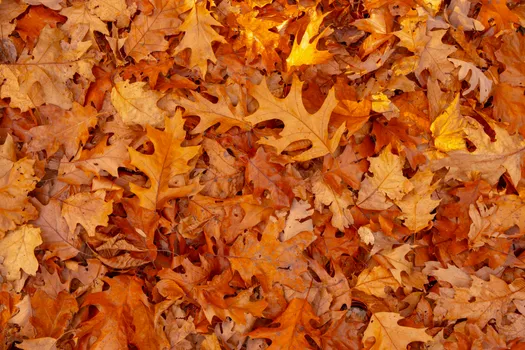
We have now made our way through summer and stumbled into autumn, and I am making sure to eat lots of food to get ready for my hibernation. The leaves are changing colour, the mornings are getting cooler and there is so much wildlife to discover outdoors.
Have you noticed any changes since summer? Maybe the number of insects is going down, or the leaves are changing from green to orange? Or that the ducklings and goslings are growing up?
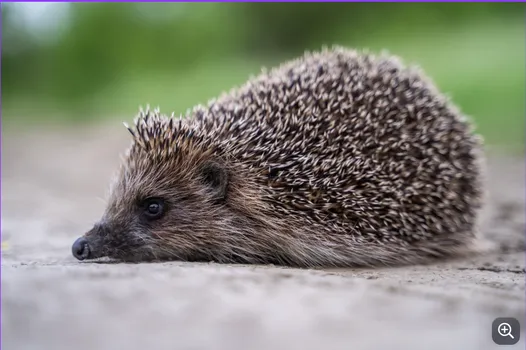
As autumn arrives, hedgehogs are busy looking for food to help them prepare for winter, the same as me! They are looking in the soil and fallen leaves for beetles, earthworms, caterpillars, and other insects. Hedgehogs need safe places to shelter, such as log piles, leaves and quiet corners of gardens. Can you think of somewhere a hedgehog might hide near you?
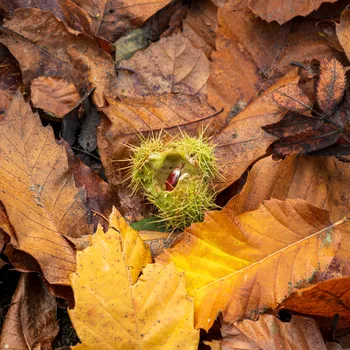
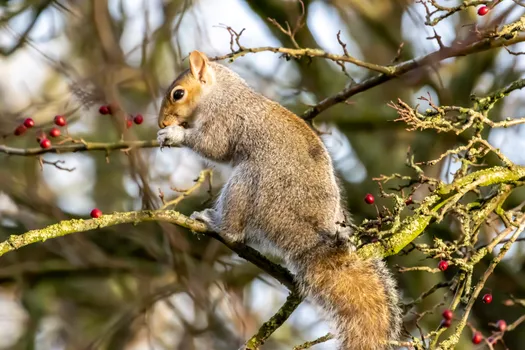
Take a look around you, can you see the trees that have put on a colourful autumn display? Oak, beech and horse chestnut tree leaves will turn yellow, orange, red, and brown. This is the time to spot acorns and conkers scattered on the ground. Squirrels collect and hide these to find them later during the winter months! Have you found any on your walks?
As the weather gets colder, you may see fewer butterflies and bees visiting flowers. Lots of insects spend the winter either sheltering or beginning their life as eggs or larvae. During September and October, you may notice the last few brave bumblebees facing the cold visiting late flowering plants, such as ivy. Have you managed to spot any brave insects?
Once the clocks go forward in October, the days get shorter and the nights get longer. Bats become less active as the temperature drops, and they also spend more time in shelter, also going into a type of hibernation.
All wildlife needs food, water, and places to shelter. You can help by leaving the fallen leaves, keeping a quiet ‘wild’ corner in your garden, planting native flowers, and avoiding disturbing log piles!
Can you see any colourful autumn leaves, conkers, or hedgehogs gathering food for the winter? Keep your eyes open, I really hope you do!
Happy exploring.
If you want to find out anything else about what you can see in the autumn, the following links will help!
| Headless Content Management with Blaze